
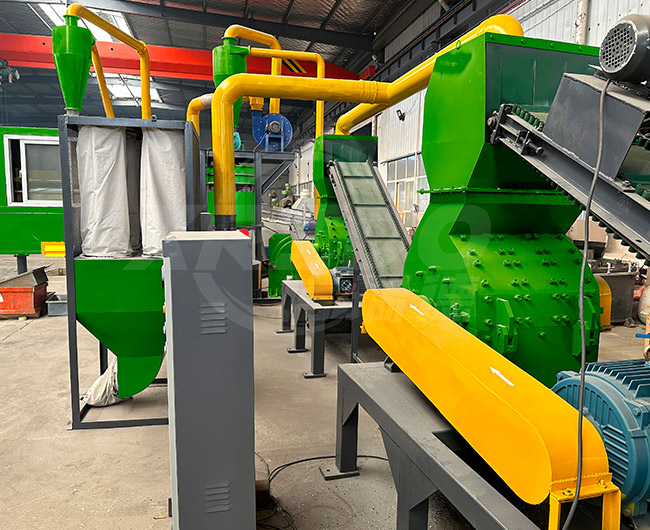
PCB(WEEE) Waste Recycling Machine
Model : XRD300/ XRD500/ XRD800
Power(kw) : 65 / 90 / 120. Capacity : 200-800 kg/h
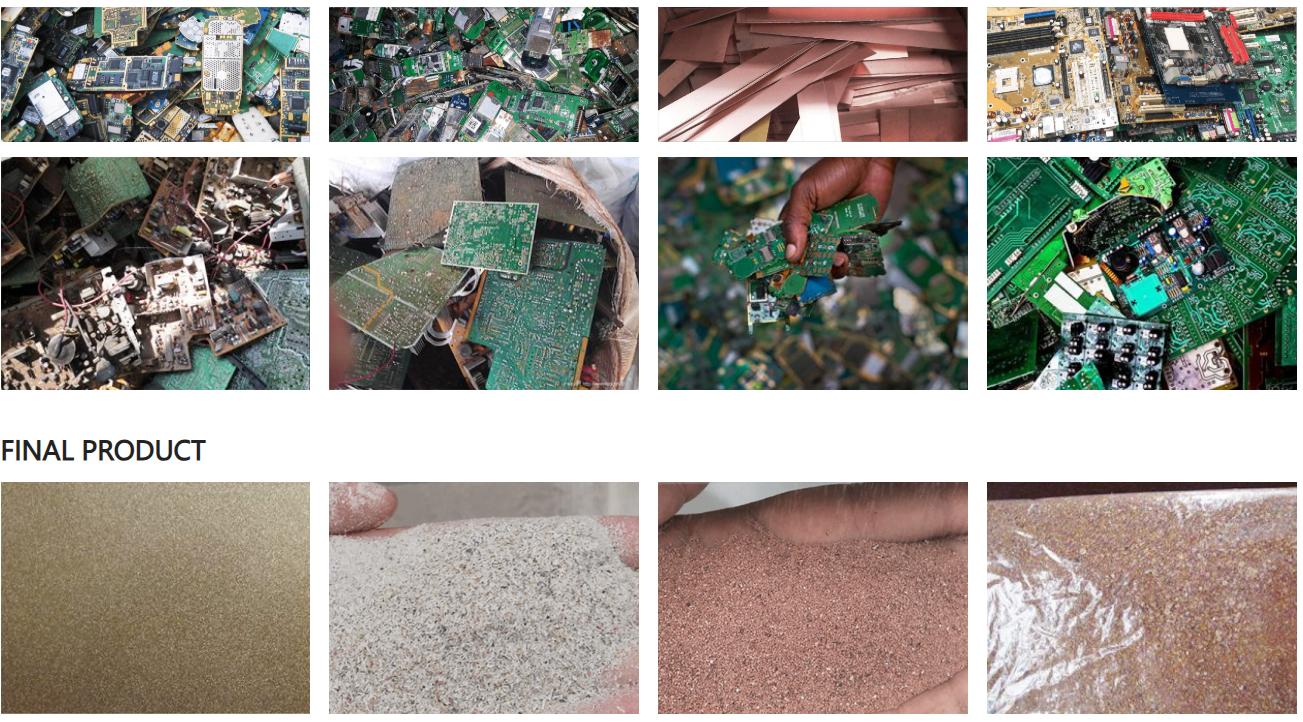
Applicable Material : WEEE, Computer board, Phone board, TV board, CCL(copper-clad plate), PCB leftover material,etc.

Product Description
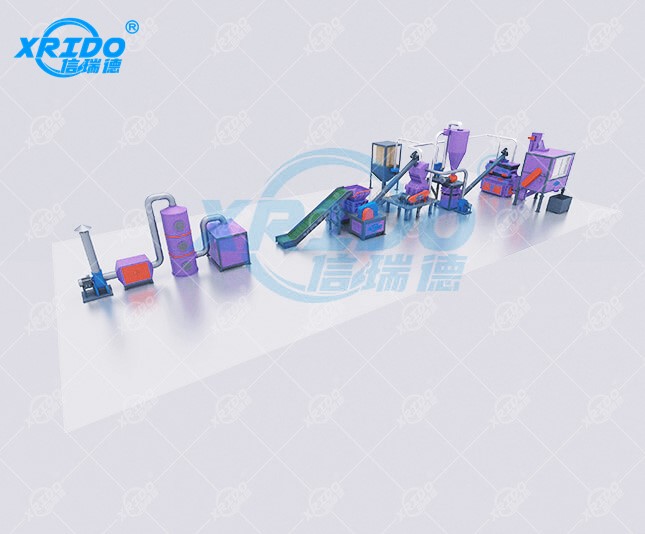
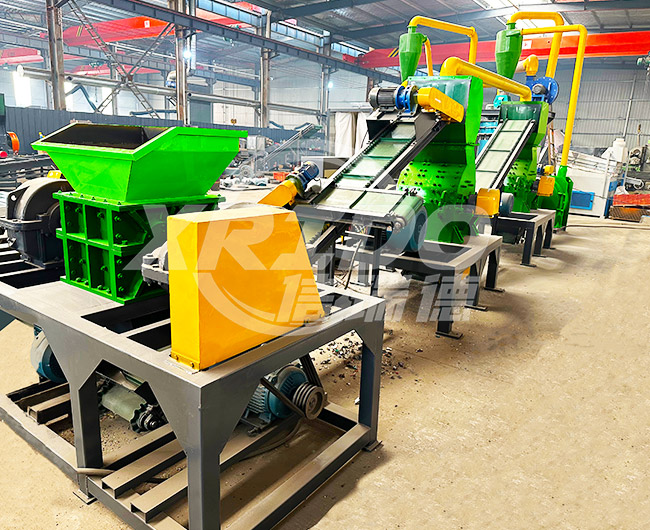
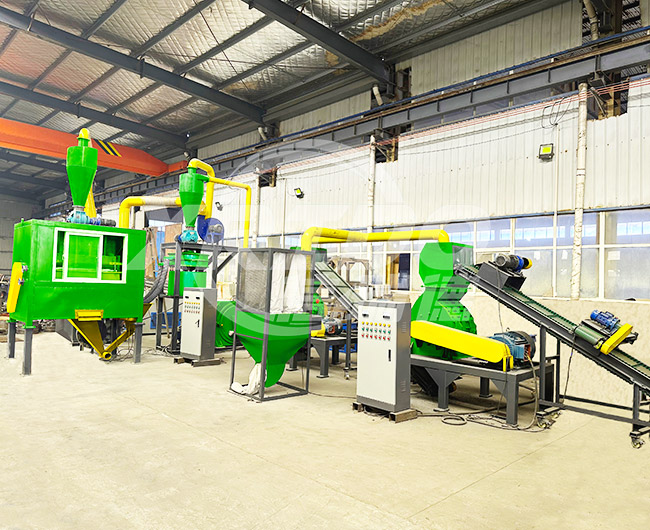
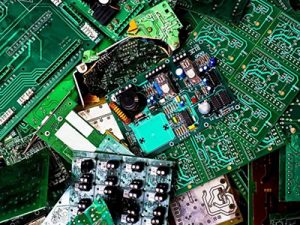
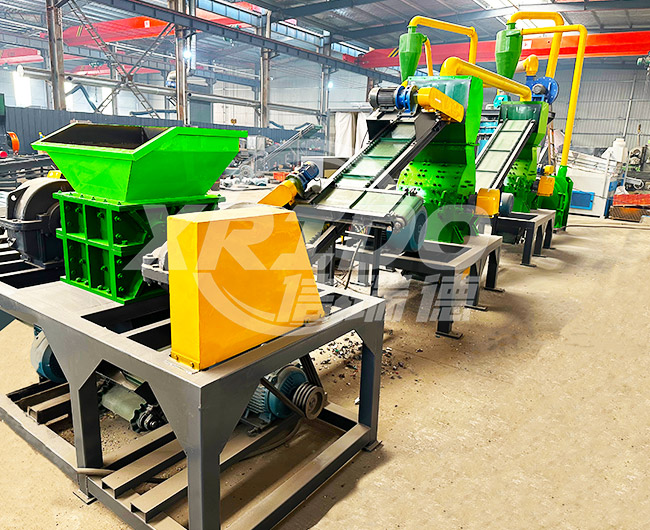
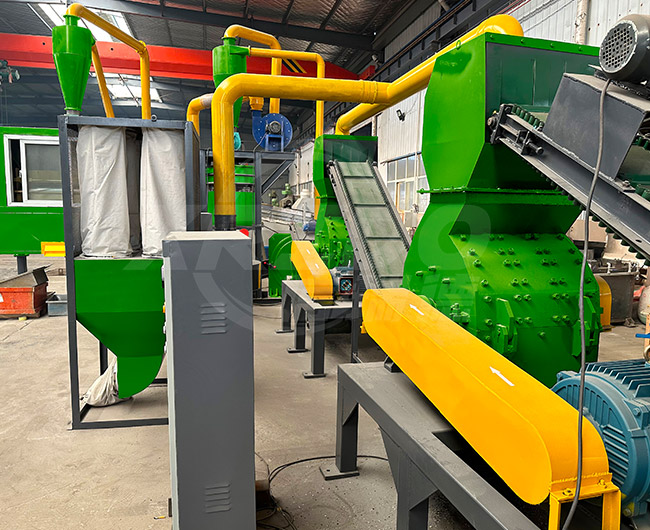
E waste circuit board recycling plant is suitable for circuit board, copper cladding plate, PCB , mobile phone board, etc., to recovery the nonferrous metal copper, gold, silver, palladium, platinum and rhodium in the waste circuit board. The whole PCB Waste Recycling Machine separates the copper and resin in the circuit board through physical crushing.
Electronic components will be moved by electronic components dismantle machine ,and then bared PCB board will be fed into the hammer mill to crush the material into powder, then goes to analyzer to sort most resin powder from copper mixed with less resin powder. Resin powder outcomes from cyclone , dust and fineness resin powder will be blew to impulse dust catching system .
Less resin powder and copper powder goes to vibration table . for suitable separating material goes to electrostatic separator machine . big size material not suitable to separate goes to hammer mill by soft pipe . copper recycling rate surpass 99.8%.
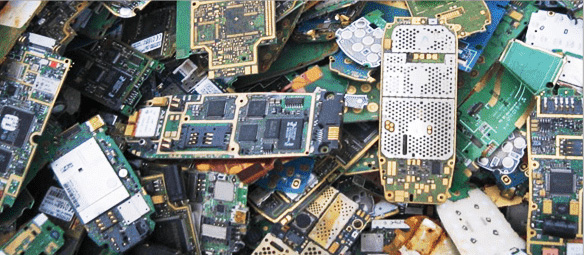
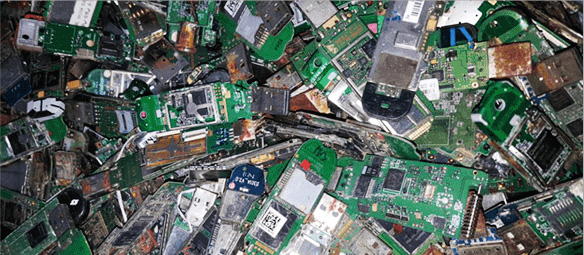
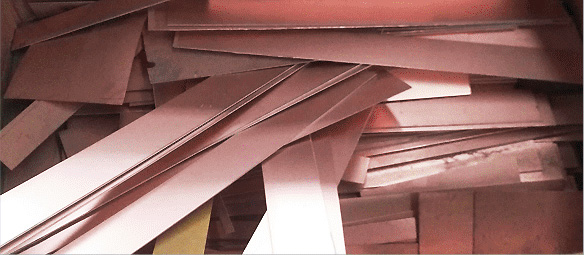
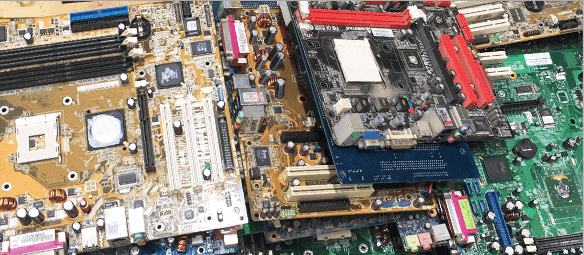
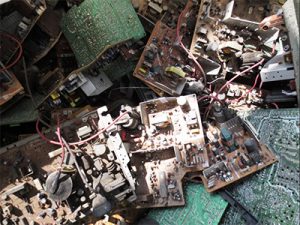
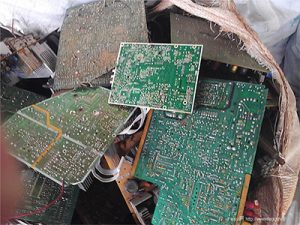
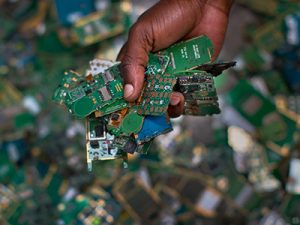
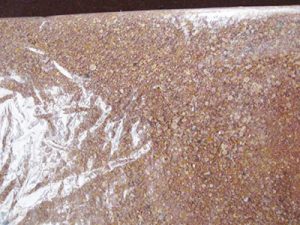
FINAL PRODUCT
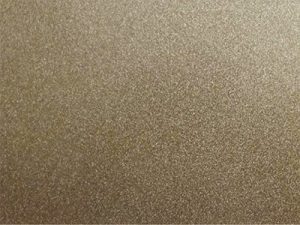
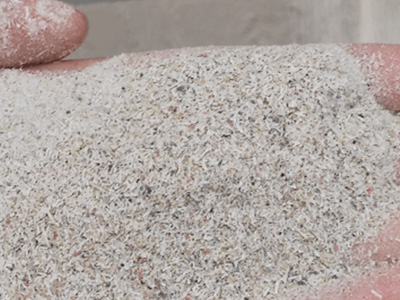
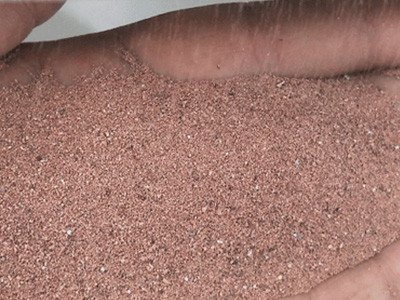
PCBs (printed circuit boards) are core components of electronic devices. They contain precious metals such as copper, gold, silver, and palladium, as well as non-metallic materials such as resin and fiberglass, and possess extremely high recycling value. PCB recycling lines utilize systematic processes to efficiently separate metals from non-metals and recycle them, while minimizing environmental pollution.


I. Core Process: Transforming "Waste" into "Renewable Resources"
The PCB recycling line process can be divided into five key steps: pretreatment, crushing, sorting, purification, and environmentally friendly treatment. These steps are interconnected to maximize resource recovery.
1. Pretreatment: Removing Interfering Components
Purpose: Reduces impurities that interfere with subsequent processes and improves sorting efficiency.
Main Operations:
Disassembly: Manual or automated removal of components (such as capacitors, resistors, and chips) from the PCB. These components can then be individually recycled (e.g., precious metals in chips, aluminum in capacitors).
Desoldering: Treatment of the pins and solder joints on the PCB (e.g., heating and melting solder) to prevent contamination from elements like lead in the solder that may contaminate subsequent metal separation. Cleaning: Removes oil, dust, and other debris from the PCB surface to ensure effective crushing and sorting.
2. Crushing: Breaks the PCB into fine particles
Purpose: Breaks down the PCB's physical structure, fully exposing the metal and non-metallic materials, and creating conditions for subsequent sorting.
Key Processes:
Coarse Crushing: Use a jaw crusher or shear crusher to crush the PCB into small pieces of 5-10mm, initially separating the board from any loose components.
Fine Crushing: Use an impact crusher or ball mill to further crush the coarsely crushed particles to 0.1-2mm, completely separating metals (such as copper foil and conductors) from non-metals (resin and glass fiber). (The degree of separation must be above 90%, which directly affects sorting efficiency.)
Note: The crushing process requires controlled temperature (to avoid high-temperature decomposition of the resin) and particle uniformity (to prevent excessive crushing that causes metal particles to become too fine and lose). 3. Sorting: The Core Process, Separating Metals from Non-metals
Separating different materials through physical methods (environmentally friendly and efficient) is the "heart" of the production line.
Common sorting technologies include:
Magnetic separation: Utilizes magnetic differences to separate ferromagnetic materials (such as iron brackets and screws in PCBs). Permanent magnetic rollers are typically used to attract and separate ferromagnetic materials, while non-magnetic materials proceed to the next stage.
Gravity separation: Utilizes density differences to separate metals (higher density, such as copper and gold) from non-metals (lower density, such as resin and fiberglass). Commonly used equipment includes shakers or heavy media separators. Under the influence of water flow or a medium, high-density particles sink, while low-density particles float.
Electrostatic separation: Utilizes differences in material conductivity to separate metals from non-metals. In a high-voltage electric field, conductive metal particles (such as copper and aluminum) are attracted or repelled by electrodes, while non-conductive non-metal particles (such as resin) follow a different trajectory, achieving separation. Eddy Current Separation: For non-ferrous metals (such as copper and aluminum), eddy currents are generated by a high-frequency alternating magnetic field, causing metal particles to deviate from their path due to repulsive forces and separate from the non-metals.
4. Purification: Improving the Purity of Recycled Resources
Purpose: Further purify the sorted metal particles to meet industrial reuse standards (for example, copper purity must reach at least 99.5% before it can be used in new PCB production).
Main Methods:
Physical Purification: Through screening (to separate metal particles of different particle sizes) and gravity separation (to further remove residual non-metals).
Chemical Purification: For high-value precious metals (gold, silver, and palladium), hydrometallurgy (such as cyanide leaching and extraction) or pyrometallurgy (high-temperature smelting) is used to improve purity.
5. Environmentally Friendly Treatment: Pollution control is implemented throughout the process to prevent secondary contamination.
Dust Treatment: Dust generated during the crushing and sorting process is collected using bag filters and cyclones to prevent dust from spreading. Wastewater Treatment: Wastewater from the cleaning and sorting stages is treated in sedimentation tanks, filtration tanks, and ion exchange resins before being recycled to prevent the emission of heavy metal ions.
Waste Gas Treatment: For high-temperature processes (such as desoldering and pyrometallurgical purification), activated carbon adsorption and catalytic combustion are used to remove harmful gases (such as lead vapor and volatile organic compounds).
II. Production Line Features: Environmentally Friendly, Efficient, and Automated
Environmentally Friendly: Physical sorting is the primary method, reducing the use of chemical reagents and pollution. Environmentally friendly equipment is used throughout the process, complying with standards such as the "Measures for the Prevention and Control of Environmental Pollution by Electronic Waste."
Efficiency: A single production line can process 1-50 tons of waste per day (depending on scale), with metal recovery rates generally exceeding 90%, including copper recovery rates of 95% and gold recovery rates exceeding 98%.
High Level of Automation: The entire process from pretreatment to sorting is automated (e.g., robotic disassembly and PLC control systems for adjusting equipment parameters), minimizing manual intervention and reducing costs. Strong Adaptability: It can process different types of PCBs (such as rigid PCBs, flexible PCBs, and multi-layer PCBs) and electronic waste (such as used computer and mobile phone motherboards).
III. Application Value: A Win-Win for Both Economy and Environment
Economic Benefits: PCBs contain approximately 15-30% copper and 10-50 grams of gold per ton. After recycling, they can be directly used in smelters and the electronics manufacturing industry, with a recycling value of thousands to tens of thousands of yuan per ton.
Environmental Benefits: It prevents soil and water contamination from heavy metals (lead and cadmium) and toxic substances (brominated flame retardants) caused by the careless disposal of electronic waste, and reduces resource consumption associated with mineral mining (such as copper).
Social Value: It promotes the development of a "circular economy," helps the electronics industry achieve its goal of carbon neutrality, and creates jobs (in areas such as recycling and equipment maintenance).
PCB recycling lines utilize a systematic process of "pretreatment - crushing - sorting - purification - environmentally friendly treatment" to efficiently recover and environmentally friendly dispose of electronic waste resources. They are key equipment for addressing the "e-waste" problem and promoting resource recycling. With the rapid development of the electronics industry, PCB recycling lines will be upgraded to achieve higher recovery rates, lower energy consumption, and greater intelligence, providing important support for sustainable development.
Technical Parameters
| Model | Power (kw) | Capacity (kg/h) | Size (mm) |
| XRD300 | 65 | 200-300 | 12500*6500*5500 |
| XRD500 | 90 | 400-500 | 22000*6500*5500 |
| XRD800 | 120 | 600-800 | 28000*6500*5500 |